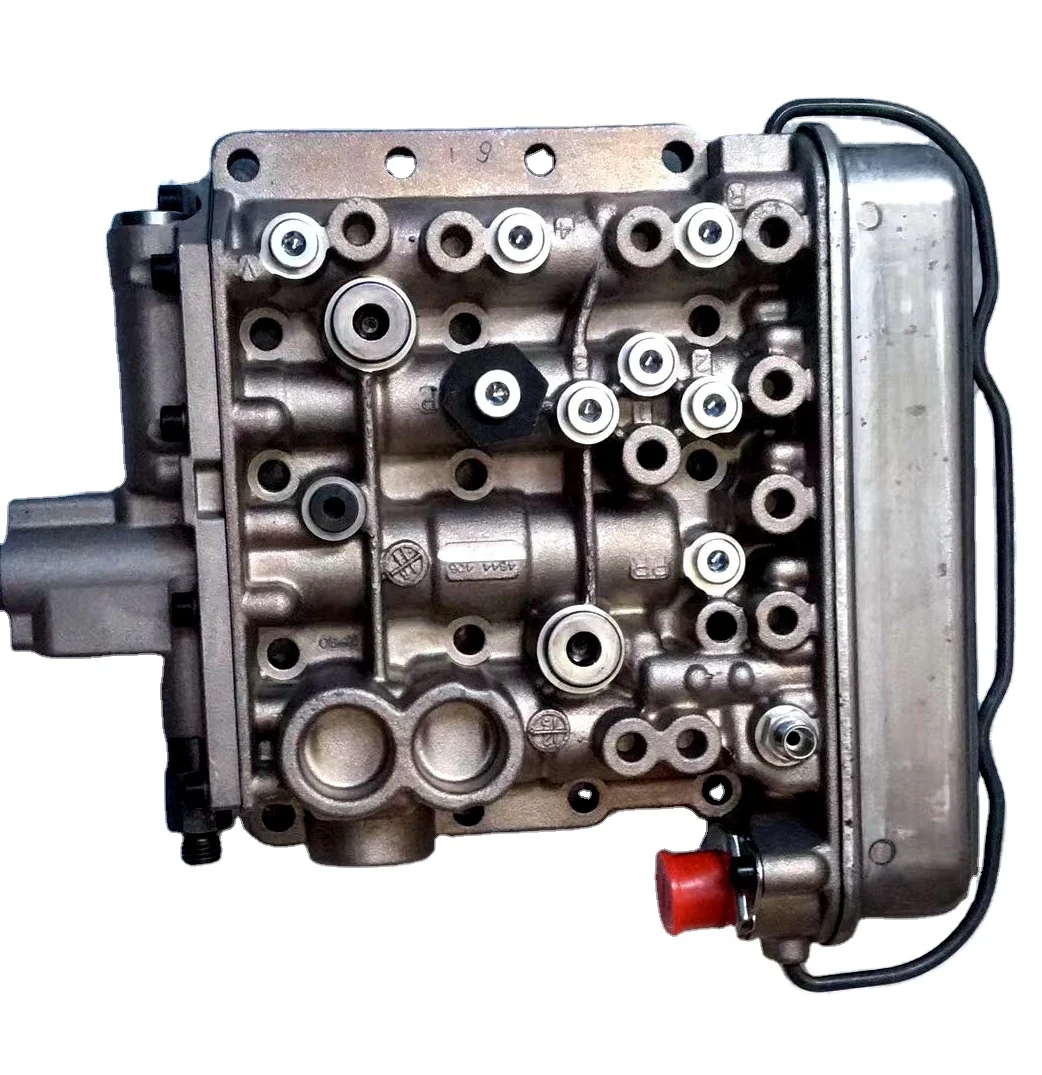
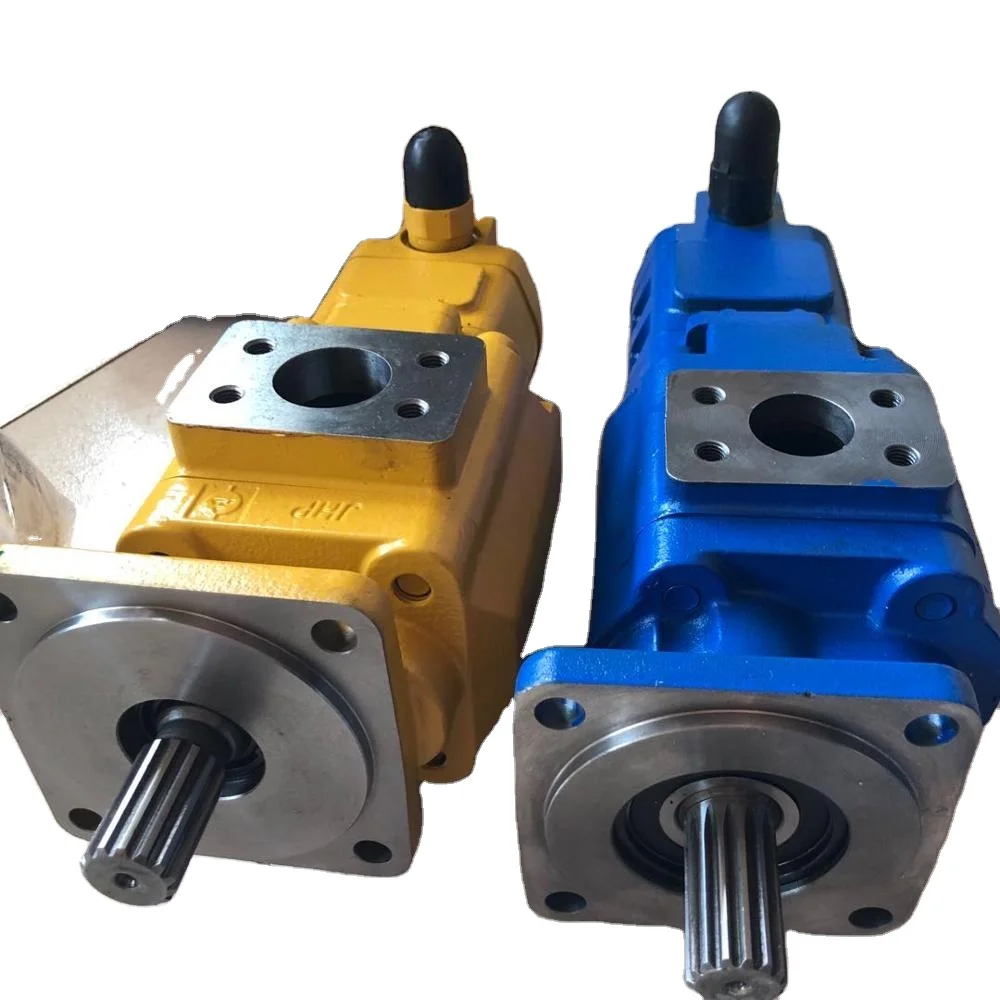
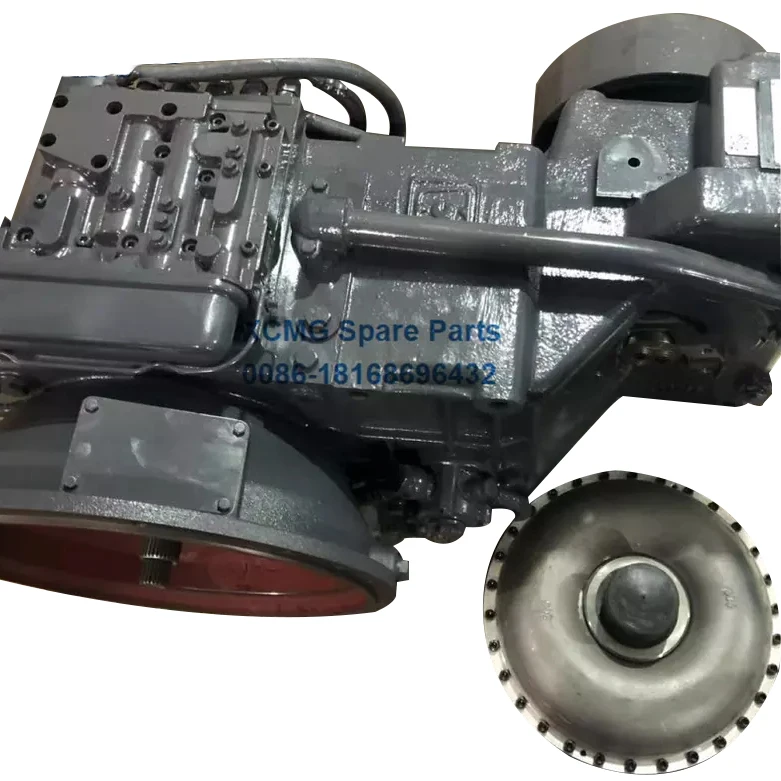
Have you ever seen a crane working at a construction site when you looked up? If you have, you may have seen the crane block parts. These crucial parts help the crane to pick up heavy objects and transport them safely. Crane block parts: crane block parts In this episode we will go into the components of crane blocks.
Several key parts of the crane block help in the process of lifting heavy objects. The main parts of a block are the sheave, hook and the swivel. Like a pulley, the sheave assists in directing the wire rope as it raises or lowers things. The hook holds the load that is being lifted and the swivel enables the crane to rotate and move back and forth.
There are lots of kinds of crane block parts and they are built for different purposes. Common variations include single sheave, double sheave and snatch blocks. Single sheave blocks contain one pulley; double sheave blocks include two pulleys; and snatch blocks are used to change the direction of the wire rope. Each has its own idiosyncrasies and uses.
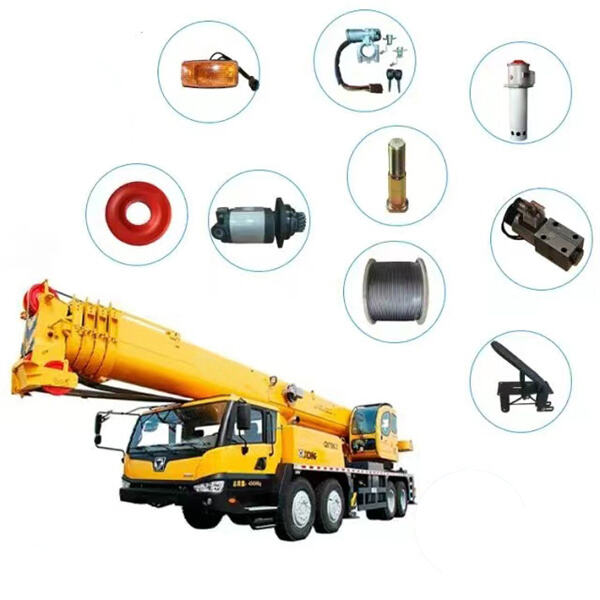
To maintain crane block parts look good, it can not do without a maintenance program. That involves inspecting the parts for wear, lending lubrication to precise places and replacing anything that's gone on the fritz. It is also important to keep the wire rope tight and the crane block in a dry, clean place when not in use. When you carefully manage crane block parts, they will be run safely and well for a long time.
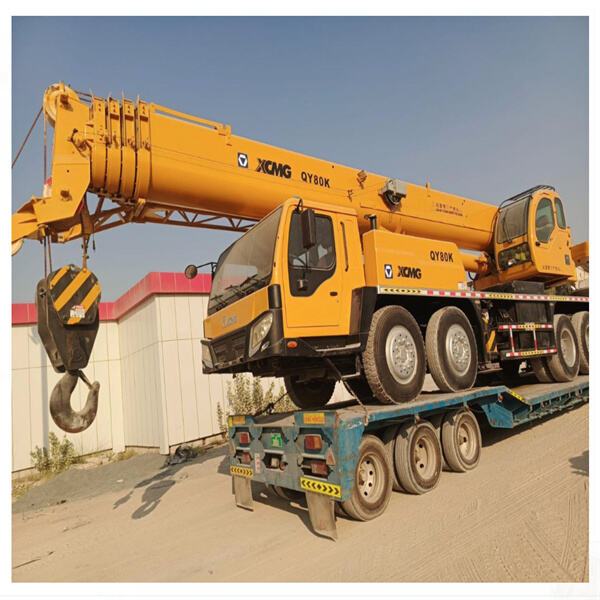
It is very important for the crane block parts materials to be tough and durable. The materials must support the weight of heavy loads and frequent use. High quality materials protect the wear / damage and ensure longer life of crane block parts. Select quality materials that stand the test of time and hold up to the wears and the tears a bathroom receives.
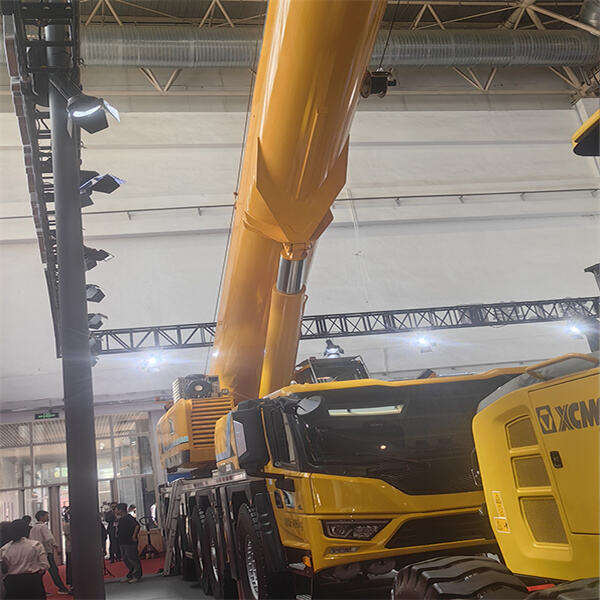
Despite good care, crane block parts can experience problems from time to time. Some typical problems include wire rope slippage, sheave misalignment, and hook damage. If you observe any of these issues, cease using the crane block immediately and inspect the hangar parts for damage. Some simple remedies can make a difference, but if you have any doubt, you should consult a professional.
If you require high-quality original parts, we can send them directly from the factory. If you are looking for a low price We can also offer OEM. This is Crane block partsdirectly by the factory, which saves the expense of buying it.
Contact us should have any concerns or concerns about product. Our professional Crane block partshave longer service lives and are certified CE and ISO testing. The factory accepts orders quickly and will deliver the goods sooner.
You search for specific parts that need through the system. It Crane block partsutilized and can be fitted different types of Xugong equipment and machinery.
In general, the delivery time is between 3 and 8 working days from when you Crane block partsyour advance payment. The precise delivery date depends on the item and the quantity of the order. Based on the market conditions our delivery and delivery times are quickly.
 EN
EN
 AR
AR
 BG
BG
 HR
HR
 CS
CS
 DA
DA
 NL
NL
 FI
FI
 FR
FR
 DE
DE
 EL
EL
 HI
HI
 IT
IT
 JA
JA
 KO
KO
 NO
NO
 PL
PL
 PT
PT
 RO
RO
 ES
ES
 TL
TL
 ID
ID
 SR
SR
 UK
UK
 VI
VI
 HU
HU
 MT
MT
 TH
TH
 TR
TR
 MS
MS
 GA
GA
 BE
BE
 KA
KA
 BN
BN
 MN
MN
 SO
SO
 MY
MY
 KK
KK
 UZ
UZ